

Leather Types Explained: A Complete Guide to Natural Leather and Its Uses
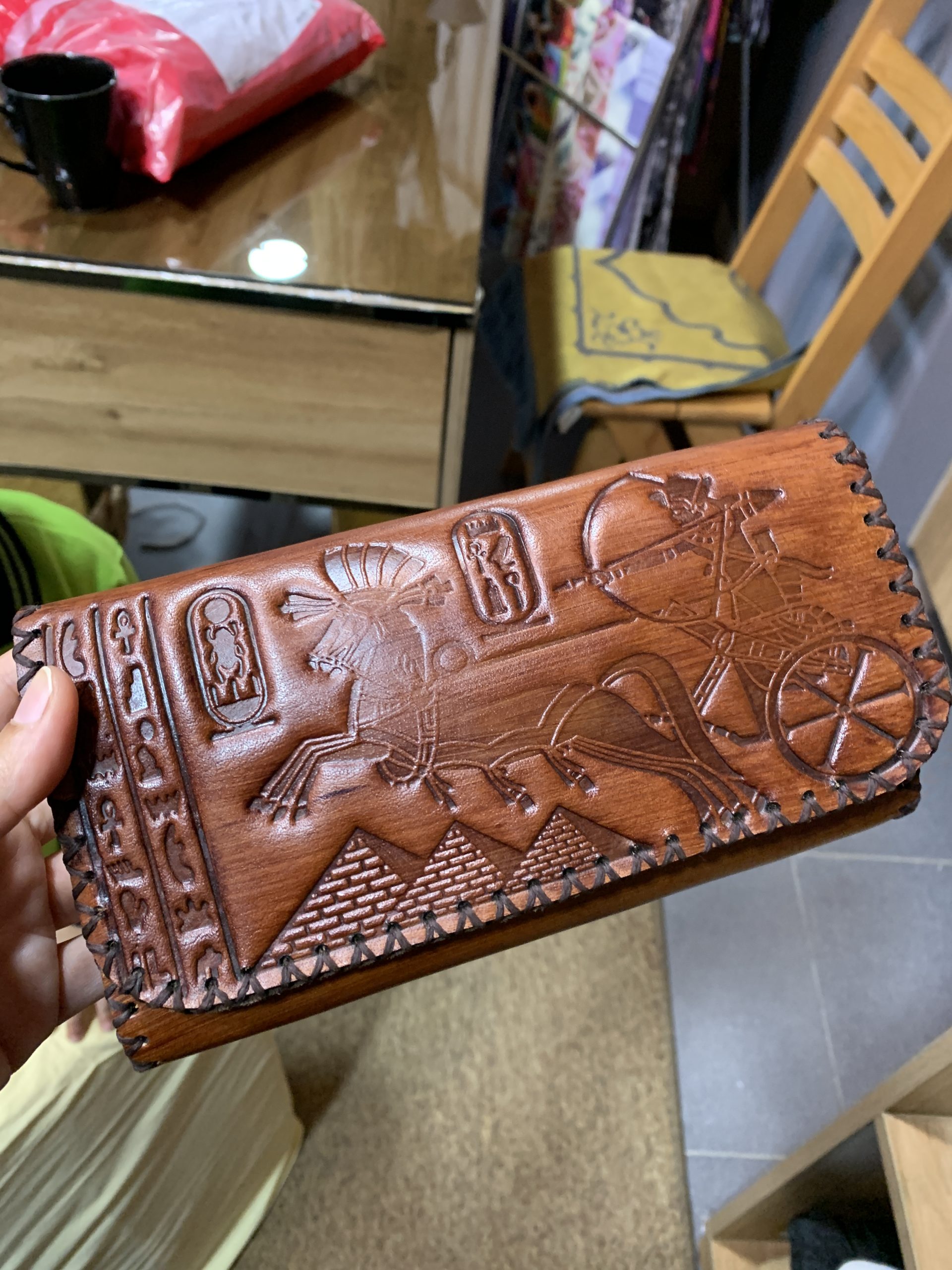
Natural leather has been used for thousands of years and is still one of the most valuable and durable materials in the fashion industry today. From handbags to accessories, understanding leather types helps you choose better, invest smarter, and enjoy long-lasting quality.
In this guide, we’ll explain the most common leather types, their characteristics, advantages, disadvantages, and the best uses—especially for handcrafted natural leather bags.
What Is Natural Leather?
Natural leather is a material made from animal hides that are processed and treated to become durable and flexible.
High-quality genuine leather is known for being:
- Strong and durable
- Comfortable to use
- Flexible and breathable
- Long-lasting
- Elegant and timeless
That’s why Pure Leather Bags are always considered a smart investment.
1. Full Grain Leather
Full Grain Leather is the highest quality leather available.
Key Features
- Made from the top layer of the hide
- Natural grain and pores remain visible
- Not sanded or corrected
Advantages
- Extremely durable
- Ages beautifully over time
- Develops a natural patina
- Does not peel or crack
Disadvantages
- Higher price compared to other leather types
Best Uses
Luxury handbags, daily use bags, and premium handcrafted leather products.
2. Top Grain Leather
Top Grain Leather is a high-quality and practical option.
Key Features
- Upper layer of the hide
- Lightly sanded for a smoother appearance
Advantages
- Soft and elegant look
- Easier to clean than full grain
- More affordable
- Widely used in fashion
Disadvantages
- Less natural texture than full grain
Best Uses
Everyday handbags, work bags, and modern leather designs.
3. Genuine Leather
Despite the name, Genuine Leather refers to a lower grade of natural leather.
Key Features
- Made from inner layers of the hide
- Processed and reconstructed
Advantages
- Affordable price
- Widely available
Disadvantages
- Less durable
- Shorter lifespan
- May peel over time
Best Uses
Light-use bags or fashion items with moderate wear.
4. Suede Leather
Suede Leather is known for its soft, velvety texture.
Advantages
- Luxurious feel
- Stylish and trendy appearance
Disadvantages
- Very sensitive to water
- Stains easily
- Requires special care
Best Uses
Occasional handbags and fashion-focused designs.
5. Nubuck Leather
Nubuck Leather is similar to suede but more durable.
Advantages
- Elegant and premium look
- Soft and refined texture
Disadvantages
- Sensitive to moisture
- Needs careful maintenance
Best Uses
High-end fashion bags and premium accessories.
6. Bonded Leather
Bonded Leather is the lowest quality leather type.
Key Features
- Made from leather scraps mixed with synthetic materials
Disadvantages
- Short lifespan
- Cracks and peels easily
- Not durable
Best Uses
Not recommended for handbags or long-term use.
Which Leather Type Is Best for Handbags?
The best leather depends on how you plan to use the bag:
- Daily use & long hours → Full Grain or Top Grain Leather
- Long-term investment → Full Grain Leather
- Affordable natural leather → Genuine Leather
- Occasional fashion use → Suede or Nubuck
For durability and elegance, Full Grain Leather remains the top choice.
Handcrafted Natural Leather: Why It Matters
When high-quality leather meets handcrafted workmanship, the result is unmatched:
- Stronger stitching
- Unique details
- Each bag has its own character
- Higher durability
That’s the true meaning of Handcrafted Natural Leather Bags.
Why Choose Natural Leather Bags?
Choosing a 100% genuine leather handmade bag means:
- Long-lasting quality
- Timeless style
- Comfortable daily use
- Better value over time
Natural leather bags are not seasonal trends—they are classic essentials.
Leather Types and Sustainability
Natural leather is biodegradable and, when produced responsibly, can be more sustainable than synthetic alternatives.
High-quality leather products last longer, reducing waste and frequent replacement.
Conclusion
Understanding leather types helps you make smarter buying decisions. Not all leather bags are the same—the difference lies in the type of leather, the processing method, and the craftsmanship.
If you’re looking for bags that combine:
- Premium leather
- Handcrafted quality
- Durability
- Elegant design
Then natural leather is always the right choice.
SEO Keywords Used
Leather Types – Natural Leather – Genuine Leather – Handcrafted Natural Leather – Pure Leather Bags – Leather Handbags – 100% Genuine Leather – Leather Bags Collection
